Easy Fabric Scrap Projects: Free Sewing Patterns for Leftover Fabric
If you love sewing, chances are you also have a growing collection of fabric scraps. Those small leftover pieces from bigger projects may seem too tiny to use, but they’re actually full of creative potential. Instead of letting them pile up, you can turn scraps into beautiful, practical items with simple sewing patterns.
In this guide, you’ll discover easy fabric scrap projects that are beginner-friendly, useful in everyday life, and perfect for reducing textile waste. Whether you’re new to sewing or an experienced maker, these small projects are satisfying, affordable, and great for practicing skills.
Why Use Fabric Scraps?
Sewing with leftover fabric is not only budget-friendly but also environmentally responsible. Textile waste is a growing issue, and using what you already have is a smart and creative solution.
Benefits of fabric scrap sewing projects:
-
Reduces waste and supports sustainable crafting
-
Saves money by using materials you already own
-
Perfect for quick projects with minimal time commitment
-
Helps build sewing skills through small-scale practice
-
Ideal for thoughtful handmade gifts
Scrap sewing proves that even small pieces can have big value.
Tips for Organizing Fabric Scraps
Before starting, it helps to organize your scraps so they’re easy to use.
-
Sort by color for patchwork projects
-
Separate by size (tiny, small, medium)
-
Store in clear containers or labeled bags
-
Keep long strips for binding or handles
-
Save tiny pieces for stuffing small items
Being organized makes scrap projects faster and more enjoyable.
1. Patchwork Fabric Coasters
Fabric coasters are one of the best beginner scrap projects. They are practical, washable, and quick to make.
Materials
-
Assorted fabric scraps
-
Batting or fleece
-
Backing fabric
-
Thread
Basic Instructions
-
Sew small fabric pieces together to form a square about 5” x 5” (13 x 13 cm)
-
Layer backing (right side down), batting, and patchwork top (right side up)
-
Sew around edges, leaving a small opening
-
Turn right side out and press
-
Topstitch around edges
These coasters protect surfaces and make great housewarming gifts.
2. Scrap Fabric Key Fobs
Key fobs are quick, useful, and ideal for narrow scraps.
Materials
-
Fabric strip (about 2” x 8” / 5 x 20 cm)
-
Interfacing (optional)
-
Key ring hardware
Instructions
-
Fold strip lengthwise, right sides together
-
Sew along the long edge
-
Turn right side out and press
-
Thread through key ring and fold ends inward
-
Stitch across the folded end to secure
These are popular handmade items and easy to personalize.
3. Simple Fabric Bookmarks
Bookmarks use very little fabric and are perfect for gifts.
Materials
-
Two fabric scraps (2” x 8” / 5 x 20 cm)
-
Fusible interfacing (optional)
Instructions
-
Place pieces right sides together
-
Sew around edges, leaving a small gap
-
Turn right side out and press
-
Topstitch around the edges
You can add decorative stitching or tassels for a finished look.
4. Fabric Hair Scrunchies
Scrunchies are trendy, beginner-friendly, and excellent for long, narrow scraps.
Materials
-
Fabric strip (3” x 18” / 7 x 45 cm)
-
Elastic (8” / 20 cm)
Instructions
-
Fold strip lengthwise, right sides together
-
Sew long edge to form a tube
-
Turn right side out
-
Thread elastic through and tie ends
-
Sew fabric ends together
These make great gifts and use lightweight cotton or satin scraps beautifully.
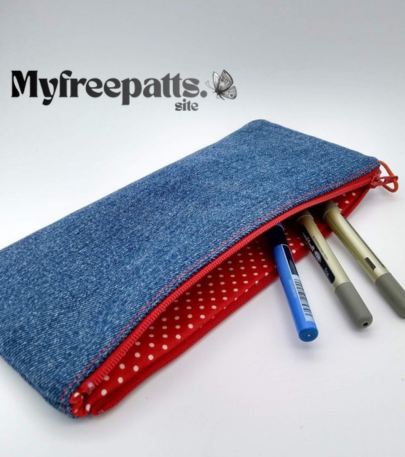
5. Mini Zipper Pouches
Small zipper pouches are perfect for coins, earbuds, or small essentials.
Materials
-
Outer fabric scraps (5” x 7” / 13 x 18 cm)
-
Lining scraps
-
Zipper
Instructions
-
Sew zipper between outer and lining fabrics
-
Repeat on the other side
-
Place outer pieces right sides together and lining pieces right sides together
-
Sew around edges, leaving a gap in lining
-
Turn right side out and close gap
These pouches are practical and popular for organizing bags.
6. Quilted Mug Rugs
A mug rug is like a mini placemat and is a favorite scrap-busting project.
Materials
-
Scrap fabric pieces
-
Batting
-
Backing fabric
Instructions
-
Sew scraps into a small patchwork rectangle
-
Layer with batting and backing
-
Quilt straight lines or simple patterns
-
Bind edges with fabric strips
Mug rugs are perfect for coffee tables and desks.
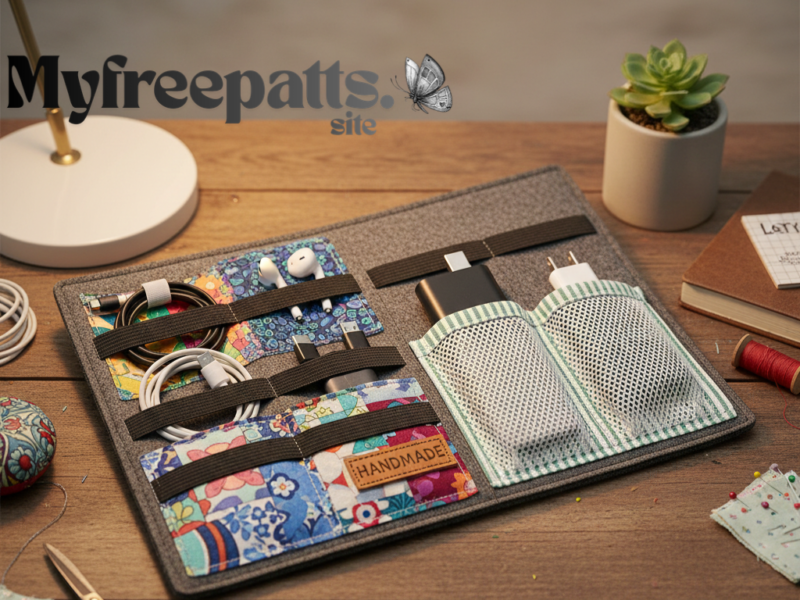
7. Fabric Cord Wraps
Keep chargers and headphones neat with a small cord wrap.
Materials
-
Scrap fabric
-
Interfacing
-
Snap or button
Instructions
-
Cut two rounded rectangles
-
Sew right sides together, leaving a gap
-
Turn right side out and topstitch
-
Add snap or button closure
These are especially useful for travel and everyday organization.
8. Reusable Makeup Remover Pads
Soft fabric scraps can be turned into eco-friendly beauty products.
Materials
-
Cotton scraps
-
Soft backing (like flannel or towel fabric)
Instructions
-
Cut small circles (3–4 inches wide)
-
Sew two layers together
-
Turn and topstitch
Wash and reuse instead of disposable cotton pads.
9. Patchwork Fabric Bunting
Fabric bunting is great for decorating parties, craft rooms, or nurseries.
Materials
-
Assorted scrap triangles
-
Bias tape or long fabric strip
Instructions
-
Cut triangles from scraps
-
Sew two triangles right sides together and turn
-
Insert into folded bias tape and stitch across
This project uses many small pieces creatively.
10. Fabric Gift Card Holders
Handmade gift card holders add a personal touch to gifts.
Materials
-
Small fabric scraps
-
Snap, button, or Velcro
Instructions
-
Cut a small rectangle
-
Fold into pocket shape
-
Sew sides and add closure
Perfect for holidays and special occasions.
Choosing the Right Fabrics for Scrap Projects
Cotton is the most versatile choice for scrap sewing. It’s easy to sew, durable, and works well for patchwork and small accessories. Denim, linen, and lightweight canvas scraps are also great for sturdier items like pouches and key fobs.
Stretch fabrics can be used for scrunchies and soft accessories.
Sustainable Sewing and Mindful Crafting
Using fabric scraps is a simple way to support more sustainable habits at home. Instead of discarding leftovers, you turn them into items that replace disposable products or add function to everyday life.
Small projects may seem simple, but they encourage mindful consumption and creativity.
11. Fabric Scrap Phone Pouch
A small padded pouch is perfect for protecting a phone inside a bag, and it’s a great way to use medium-sized scraps.
Materials
-
Outer fabric scrap (8” x 10” / 20 x 25 cm)
-
Lining fabric (same size)
-
Batting or fleece (same size)
-
Velcro, snap, or button
Instructions
-
Layer outer fabric, batting, and lining
-
Quilt simple vertical or diagonal lines to secure layers
-
Fold in half with lining sides together
-
Sew side seams
-
Turn right side out
-
Fold top edge inward and topstitch
-
Add closure
This project is practical and great for protecting devices while traveling.
12. Scrap Fabric Plant Pot Covers
Fabric plant pot covers add warmth and color to your home décor.
Materials
-
Medium-weight fabric scraps
-
Lining fabric
-
Interfacing (optional for structure)
Instructions
-
Measure your plant pot height and circumference
-
Sew scraps together to create a rectangle large enough to wrap around the pot
-
Attach lining in the same size
-
Sew side seam to form a tube
-
Fold top edge down for a cuff
These covers are decorative and removable for washing.
13. Patchwork Pillow Covers
If you have larger scraps, combine them into a patchwork pillow front.
Materials
-
Assorted fabric scraps
-
Backing fabric
-
Zipper or envelope-style closure
Instructions
-
Sew scraps into a square matching your pillow insert size
-
Quilt lightly if desired
-
Add backing with zipper or envelope closure
Patchwork pillows are perfect for using meaningful leftover fabrics from past projects.
14. Fabric Scrap Luggage Tags
Handmade luggage tags are durable and easy to spot.
Materials
-
Sturdy fabric scraps
-
Clear vinyl scrap (optional for ID window)
-
Cord or ribbon
Instructions
-
Cut two rectangles
-
Add vinyl window to one piece if desired
-
Sew pieces together, leaving top open
-
Insert ID card and stitch top closed
-
Attach cord
A useful project for travelers and great for gifts.
15. Reusable Snack Bags
These are eco-friendly alternatives to disposable plastic snack bags.
Materials
-
Cotton fabric scraps
-
Waterproof lining (like PUL or nylon, optional)
-
Velcro
Instructions
-
Cut two rectangles
-
Sew right sides together, leaving a gap
-
Turn right side out
-
Topstitch
-
Add Velcro closure
Perfect for lunches and reducing single-use plastics.
How to Combine Small Scraps Creatively
Sometimes scraps are too small on their own. Here’s how to make them usable:
-
Sew into patchwork panels first
-
Create fabric strips for quilting or binding
-
Use as appliqué shapes on larger projects
-
Piece together to make new “fabric” for pouches or bags
This technique is often called fabric piecing and is a great skill-builder.
Best Tools for Scrap Sewing
Working with small pieces can be easier with the right tools:
-
Rotary cutter and small cutting mat
-
Fabric clips instead of pins
-
Iron for pressing seams flat
-
Lightweight interfacing for structure
-
Walking foot for quilting layers
Good tools help small projects look polished and professional.
Turning Scrap Projects Into Handmade Gifts
Scrap sewing projects are perfect for gift-giving because they are:
-
Personal
-
Practical
-
Quick to make in multiples
-
Easy to customize in colors and fabrics
You can bundle items together, like:
-
Coasters + mug rug
-
Scrunchie + zipper pouch
-
Bookmark + fabric key fob
Handmade gifts feel thoughtful without requiring large amounts of fabric.
Selling Scrap Fabric Projects
If you enjoy making scrap projects, they can also be popular at craft fairs or online marketplaces.
Good sellers include:
-
Key fobs
-
Zipper pouches
-
Mug rugs
-
Scrunchies
-
Cord organizers
Because they use leftover materials, they can be affordable to produce while still being profitable.
Caring for Small Fabric Items
Most scrap sewing projects are washable, but always consider fabric type.
General care tips:
-
Wash in cold or warm water
-
Air dry or tumble dry low
-
Press with iron if needed
Using durable cotton fabrics ensures long-lasting items.
The Creative Benefits of Scrap Sewing
Scrap projects encourage creativity because they remove pressure. You’re not cutting into expensive yardage — you’re experimenting with what you already have.
They’re also perfect for:
-
Practicing new techniques
-
Trying color combinations
-
Teaching beginners
-
Quick weekend or evening projects
Scrap sewing reminds us that creativity doesn’t require large materials — just imagination.
Building a Scrap Project Habit
Instead of letting scraps pile up, try:
-
Keeping a “scrap project box” ready
-
Completing one small scrap project between larger ones
-
Saving tiny pieces for stuffing or appliqué
Over time, you’ll reduce clutter while building a collection of useful handmade items.
Final Thoughts
Fabric scraps are not leftovers — they are opportunities. With a little creativity and a few simple sewing techniques, even the smallest pieces of fabric can become something beautiful and useful. From practical home items to thoughtful gifts, scrap sewing projects help you save money, reduce waste, and enjoy quick, satisfying makes.
The next time you finish a sewing project, don’t throw those scraps away. Turn them into your next creative idea and discover just how much potential is hiding in your fabric stash!