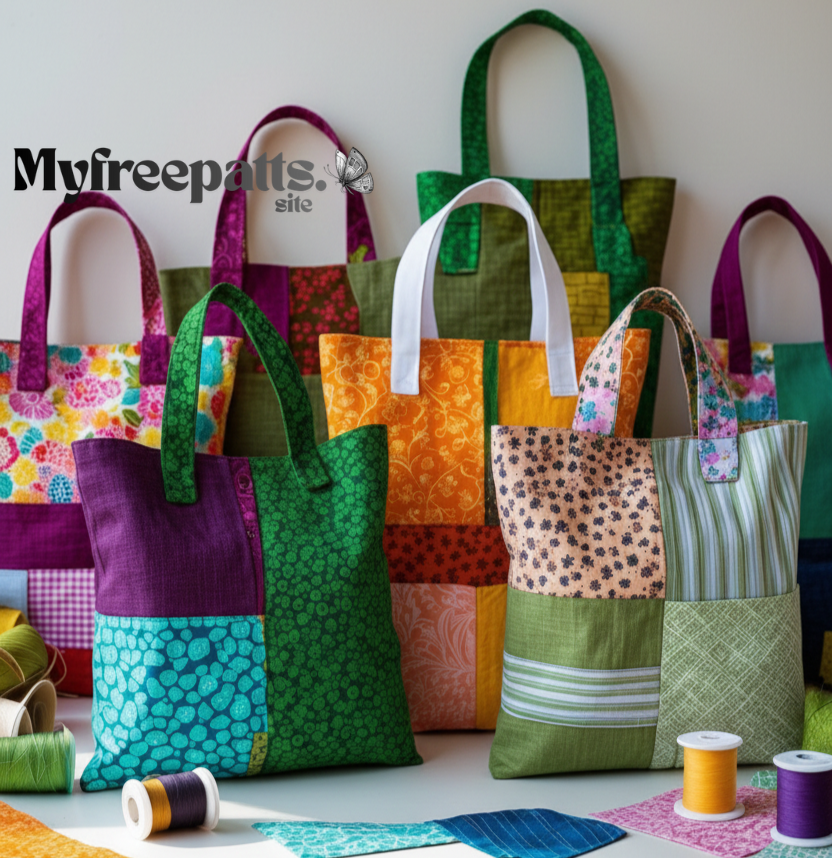
Reusable grocery bags are one of the easiest and most impactful eco-friendly projects you can make at home. They reduce plastic waste, save money over time, and can be customized to match your personal style. Best of all, they’re beginner-friendly and require only basic sewing skills.
In this simple step-by-step tutorial, you’ll learn how to sew durable, washable reusable grocery bags that are perfect for shopping, farmers markets, and everyday errands.
Why Make Your Own Reusable Grocery Bags?
Plastic shopping bags are used for minutes but can take years to break down. Switching to fabric grocery bags is a small change that makes a big difference.
Benefits of DIY reusable bags:
Helps reduce single-use plastic waste
Stronger and more durable than store plastic bags
Washable and long-lasting
Customizable in size and fabric
Budget-friendly sewing project
Plus, handmade bags make thoughtful gifts for friends and family who care about sustainability.
Skill Level
Beginner
If you can sew straight seams on a sewing machine, you can make this bag.
Materials You’ll Need
- 1 yard (1 meter) of sturdy fabric
(Cotton canvas, denim, or heavy cotton works best) - Matching thread
- Sewing machine
- Fabric scissors or rotary cutter
- Pins or clips
- Measuring tape or ruler
- Iron (optional but helpful)
Tip: Pre-wash your fabric to prevent shrinkage later.
Finished Size
Approx. 16 inches wide x 15 inches tall (40 cm x 38 cm)
Handles: 22 inches long (56 cm)
This size fits most grocery items comfortably.
Step-by-Step DIY Reusable Grocery Bag Tutorial
Step 1 – Cut Your Fabric
Cut the following pieces:
- Bag Body: 2 rectangles — 16” x 18” (40 x 46 cm)
- Handles: 2 strips — 4” x 22” (10 x 56 cm)
The extra height on the body pieces allows for hemming and seam allowance.
Step 2 – Prepare the Handles
- Fold each handle strip in half lengthwise, right sides together
- Sew along the long edge with a ¼” (0.6 cm) seam allowance
- Turn the tube right side out
- Press flat with the seam centered or at the edge
- Topstitch along both long edges for strength
Set handles aside.
Step 3 – Sew the Bag Body
- Place the two large fabric pieces right sides together
- Pin or clip the sides and bottom
- Sew down one side, across the bottom, and up the other side using a ½” (1.2 cm) seam allowance
Leave the top open.
Step 4 – Create a Flat Bottom (Boxed Corners)
This step helps the bag stand up and hold more groceries.
- With the bag still inside out, pinch one bottom corner so the side seam lines up with the bottom seam
- Flatten into a triangle
- Measure 2 inches (5 cm) from the tip and draw a straight line across
- Sew along that line
- Trim excess fabric, leaving ½” seam allowance
- Repeat on the other corner
Now your bag has a flat base.
Step 5 – Hem the Top Edge
- Fold the top edge down ½” (1.2 cm) and press
- Fold down again 1” (2.5 cm) and press
- Sew all the way around the top to secure the hem
This creates a clean, strong edge.
Step 6 – Attach the Handles
- Turn the bag right side out
- Place one handle end 4 inches (10 cm) from the side seam
- Insert the raw end about 1 inch inside the top hem
- Repeat for the other end of the same handle on the opposite side of the bag
- Make sure the handle is not twisted
- Sew a square with an “X” across each handle end for strength
Repeat with the second handle on the other side of the bag.
Step 7 – Final Reinforcement (Optional)
For extra durability, sew an additional row of stitching around the top of the bag, catching the handles in the seam.
Your Reusable Grocery Bag Is Ready!
You now have a strong, washable bag perfect for groceries, books, or everyday use.
Customization Ideas
Make your bag unique:
Use patterned fabric for a fun look
Add a pocket inside or outside
Make longer handles for shoulder straps
Add a fabric label or decorative stitching
Create foldable versions for travel
Care Instructions
Machine washable (cold or warm water)
Air dry or tumble dry low
Iron if needed
Reusable bags get softer with use but remain strong.
How Reusable Bags Help the Environment
Switching to reusable grocery bags helps reduce plastic pollution and supports a more sustainable lifestyle. Even using one fabric bag regularly can replace hundreds of plastic bags over time.
Small habits can lead to meaningful environmental impact.
Final Thoughts
This DIY reusable grocery bag is one of the most practical and beginner-friendly sewing projects you can make. It’s simple, affordable, and useful every single day. Once you make one, you’ll likely want several in different fabrics and sizes.
Sew a few for yourself, and make extras to share — sustainable living can start with just one stitch at a time.